
Welcome to Guwahati Astrologer
The Best Astrologer in Guwahati
With 18+ years of expertise in Astrology, Vastu, Numerology, Palmistry, Tarot, and Puja Services ,we provides accurate predictions and practical remedies to help you achieve success, peace, and prosperity.
Get started


about
Astro Sailyajit
Serving Faithfully
Since 2007
"ज्योतिषं शास्त्रं जीवनस्य मार्गदर्शकः”
"Astrology is the guiding light of life.:
I am Astro Sailyajit, practicing astrology for over 18 years in Guwahati. With expertise in Astrology, Vastu, Numerology, Palmistry, Tarot, and Puja services, I focus on guiding individuals toward peace, clarity, and prosperity. My predictions and remedies are rooted in traditional wisdom yet adapted to modern life, helping people overcome challenges and embrace opportunities. Astrology, for me, is not just science but a way to illuminate life’s path.
View Morewhy choose us
Astrology Services Backed
by Proven Expertise

18+ Years of Experience
Practicing astrology & Vastu Shastra since 2007 with deep expertise.
Global Clientele
Trusted by clients from 13+ countries worldwide.
Horoscope & Vastu Specialist
Accurate horoscope readings and powerful Vastu remedies for harmony.
Trusted by Influential Personalities
Guided politicians, business leaders, and professionals with success.
Accurate Predictions
Renowned for precise and reliable astrological guidance.
Personalized Solutions
Tailor-made remedies for health, wealth, relationships, and career.
Ethical & Practical Guidance
Focused on real-life solutions, not superstition.
Respected in Guwahati & Northeast
A trusted name in astrology with a strong reputation.
our blogs
Guiding Lights To Wisdom & Growth
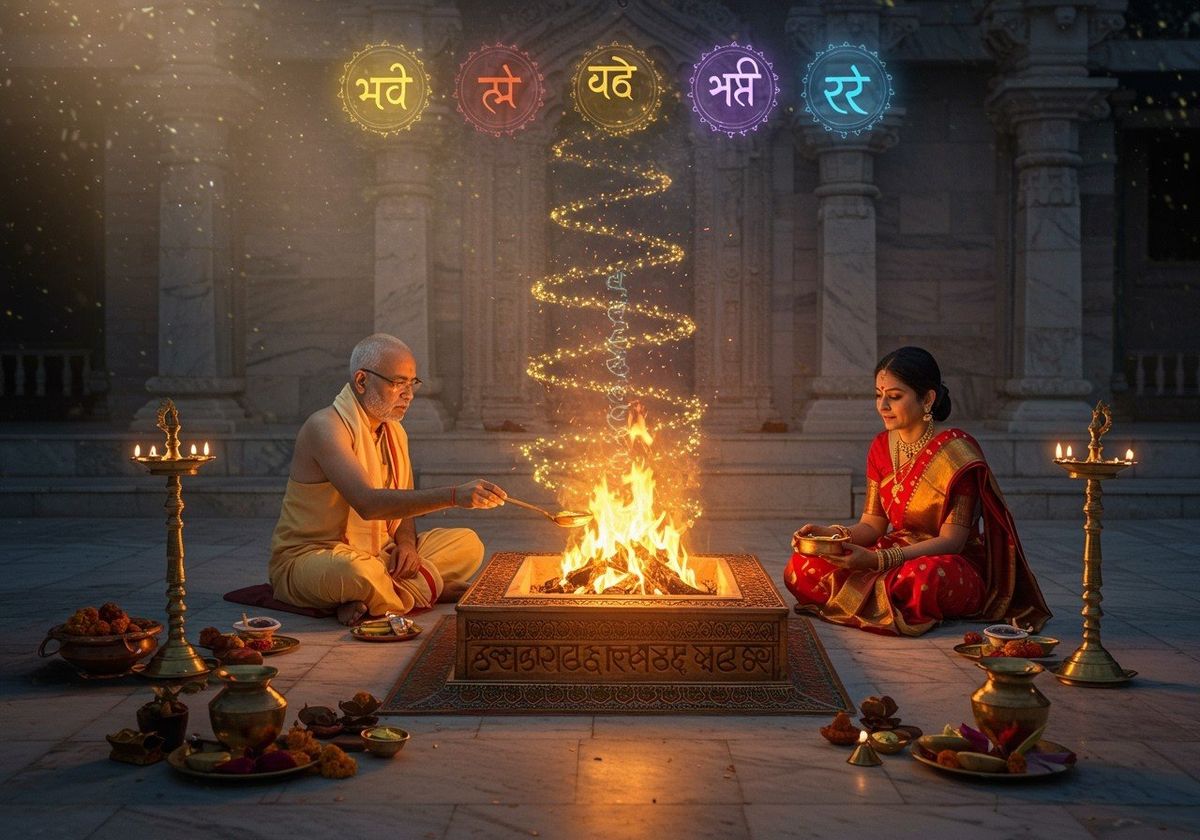
Past Life Karma
Past Life Karma reveals hidden influences of your previous births, shaping present challenges, relationships, and spiritual growth.

VyapaarTantra
Harness ancient wisdom and astrological remedies to remove obstacles, attract success, and ensure steady business growth.
Vastu Wisdom
Vastu wisdom aligns your surroundings with universal energies, fostering peace, prosperity, balance, and growth in every aspect of life.

services
New Paths To Wisdom Prosperity
Astrology Service
Get accurate horoscope readings and future insights to guide your personal and professional life.
Palmistry Analysis
Discover hidden traits and future possibilities through detailed palm line readings.
Tarot Card Reading
Gain clarity on life’s questions with intuitive and insightful tarot card guidance.
Vedic Puja & Havan
Experience peace, prosperity, and positivity with authentic Vedic rituals and havans.
testimony
What they say about us
Facebook Posts

🕉️ VASTU PEACE • POWER • PROSPERITY ACTIVATION
A Sacred Vastu Activation for a Newly Constructed G+1 Residence in Kokrajhar, Assam
A newly constructed home is more than brick, concrete and design—it is a living space where energy, emotions, relationships, health and prosperity are nurtured.
Recently, a G+1 residence in Kokrajhar, Assam underwent a carefully planned Vastu Peace, Power & Prosperity Activation, designed to harmonise the architectural space with the principles of Vāstu Śāstra.
🌿 PEACE — Vāstu Śānti
The objective is to create a calm, harmonious and spiritually balanced environment.
The North-East (Īśāna) was given special attention, along with the Brahmasthāna, natural light, ventilation and overall spatial balance.
🔱 POWER — Stability & Protection
A home’s strength begins with its foundation and spatial equilibrium.
The South-West, entrance, staircase, structural weight distribution and major functional zones were considered to establish stability, grounding and a sense of protection.
💰 PROSPERITY — Growth & Abundance
The North, North-East and other relevant zones were assessed for their relationship with movement, openness, water, light and elemental balance.
Traditional Vastu principles were combined with practical spatial remedies to encourage an environment associated with growth, opportunity and prosperity.
🕉️ THE ACTIVATION
Vastu is not merely about placing objects in particular directions.
It is about understanding the relationship between:
Space • Direction • Elements • Movement • Light • Structure • Function • Energy
For a G+1 residence, both the ground floor and first floor require careful consideration. The plot, road approach, main entrance, staircase, Brahmasthāna, kitchen, bedrooms, toilets, Puja space, water zones and surrounding environment all contribute to the overall Vastu profile of the residence.
✨ A HOME SHOULD NOT ONLY LOOK BEAUTIFUL.
It should feel peaceful.
It should feel powerful.
It should support prosperity.
That is the philosophy behind Vastu Peace • Power • Prosperity Activation.
Sailyajit Vastu™
Ancient Wisdom • Scientific Approach • Practical Vastu Solutions
📍 Kokrajhar, Assam
ॐ वास्तुपुरुषाय नमः
May the Vāstu Purusha bless the residence with peace, strength, harmony and abundance. 🙏✨
#SailyajitVastu #VastuShastra #VastuConsultation #VastuActivation #PeacePowerProsperity #VastuShanti #GrihaPravesh #HomeVastu #ResidentialVastu #Kokrajhar #Assam #NorthEastIndia #VastuPurusha #AncientWisdom #ScientificApproach


0 CommentsComment on Facebook

🔱 ASTRO SAILYAJIT™
TRIMURTI COLLECTION
3 Gemstones. 1 Ring. 3 Divine Forces.
Sṛṣṭi • Sthiti • Laya
Creation • Preservation • Transformation
Experience the symbolic Triśakti Effect through a uniquely crafted Trimurti Ring—designed to bring the threefold cosmic principle into a single powerful talisman.
💎 3 Original, Natural & Certified Gemstones
🔱 Tantra Abhimantrit
✨ Handcrafted with Precision
🪬 Astrologically Customized for You
👑 Premium Bespoke Craftsmanship
Every ring is individually prepared with careful gemstone selection and Tantric Abhimantraṇa, creating a personal spiritual talisman aligned with your intended purpose.
One Ring. Three Energies. One Powerful Symbol.
Brahma • Vishnu • Mahesh
Sṛṣṭi • Sthiti • Laya
Creation • Preservation • Transformation
Your Trimurti is not just jewellery.
It is a personalized spiritual statement.
🔱 CONSULT • CUSTOMIZE • ORDER
Call / WhatsApp:
📞 7575923777
ASTRO SAILYAJIT™
Ancient Wisdom • Precision Astrology • Sacred Craftsmanship

0 CommentsComment on Facebook